


5 Surprising Skills You Can Learn from Playing Poker on Americas Cardroom
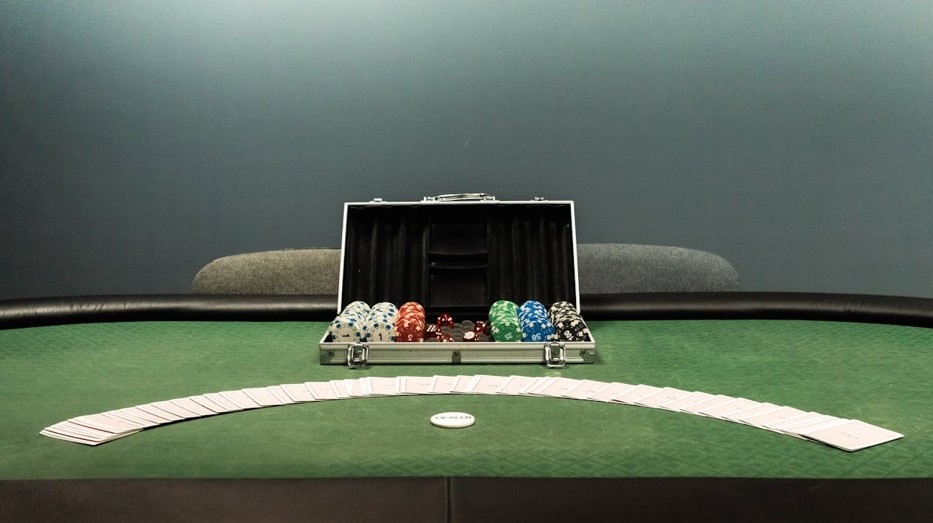
Poker isn't just about gambling. Sure, there's money on the line, but the real jackpot is what the game teaches you about life itself.
I've watched friends transform from nervous beginners into confident decision-makers, all because they learned to read a room and manage their emotions at a card table. It's pretty amazing when you think about it.
Emotional Control
Ever heard someone say "keep your poker face"? There's a reason that phrase stuck around. When you're sitting across from someone trying to figure out if you're bluffing with absolutely nothing or holding pocket aces, you learn real fast how to keep your cool.
This isn't just useful for cards. Remember that job interview where you were sweating bullets but had to appear confident? Or that time you had to deliver bad news to your team without causing panic? That's poker face in action. And if you're getting into US online poker, you'll need this skill even more – it's easier to tilt when you're playing hand after hand from your couch.
Strategic Thinking
Poker forces you to think like a chess player, but with incomplete information. You're constantly asking yourself: "What does she have? Is he bluffing? Should I bet or check?"
This kind of thinking becomes second nature. Last month, my buddy used poker logic to negotiate his salary. He considered his "hand" (his accomplishments), read his boss's "tells" (budget constraints they'd mentioned), and made his move at exactly the right time. He got a 15% raise.
Risk Management
Here's where poker gets really practical. Every bet is a calculated risk. Do you call with a decent hand, or fold and wait for something better? How much of your bankroll can you afford to lose tonight?
I learned this lesson the hard way during my first few months playing. I went all-in too often and didn't manage my money properly. Sound familiar? It's the same mistake people make with their 401k or when starting a business. Poker taught me that sometimes the best move is knowing when NOT to play.
Enhanced Observation
Poker players become human lie detectors. You start noticing everything – how someone's breathing changes, whether they touch their face when they're nervous, if they bet differently when they're confident.
My sister swears poker helped her become a better manager. She can tell when her employees are struggling before they even say anything. "It's all about reading the room," she says. "Same skills, different table."
Adaptive Problem Solving
No two poker games are identical. Your strategy might work perfectly for three hours, then suddenly everyone adjusts and you're getting crushed. You've got to pivot, and fast.
This flexibility is gold in real life. When COVID hit and my company had to go fully remote overnight, I watched some colleagues panic while others adapted quickly. Guess which ones had experience making rapid strategy changes under pressure?
Bottom Line
The truth is, poker's more than entertainment – it's like a gym for your brain. You're constantly exercising emotional control, strategic thinking, risk assessment, observation skills, and adaptability. These aren't just "poker skills." They're life skills.
The next time someone gives you grief about playing cards, remind them you're actually in training. Training for better decision-making, stronger emotional intelligence, and sharper instincts. Not bad for a night out with friends, right?