


How Rivalries Shape College Basketball History
College basketball has always existed on a different emotional level than most sports. While rankings, statistics, and championships matter, they rarely define how fans remember a season. What truly stays in memory are rivalry games. These matchups carry weight that no neutral contest can replicate. This is why rivalries shape college basketball history far more deeply than standings or win totals ever could.
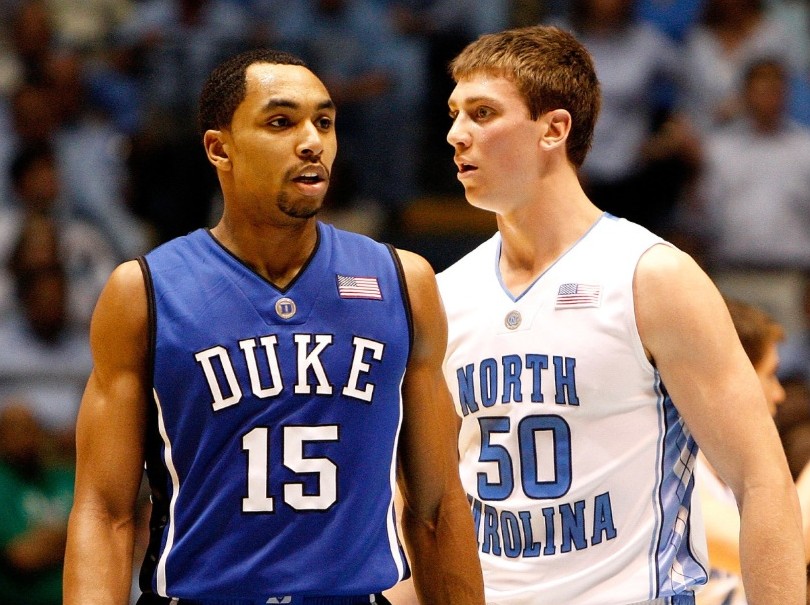
From the moment schedules are released, rivalry dates become the focal point of anticipation. Players feel pressure weeks before tip-off. Coaches circle these games knowing their significance extends beyond the scoreboard. Fans treat rivalry nights as cultural events rather than simple games. College basketball rivalries transform ordinary matchups into moments that shape identities, traditions, and legacies.
Why Familiar Traditions Influence Decision Making
People often gravitate toward what feels familiar and established. In college basketball, rivalries feel trusted because they come with history and clear meaning. This behavior mirrors everyday choices, where some people notice options like a Slotozen Casino login Australia because the structure feels recognizable and easy to understand. Familiar traditions reduce uncertainty and create comfort. Rivalries work the same way by offering fans a predictable emotional anchor season after season.
How College Basketball Rivalries Are Born
Most college basketball rivalries begin without intention. Geography plays a major role. Schools located near each other naturally compete for attention, recruits, and regional pride. Conference alignment strengthens these matchups by forcing frequent meetings. Over time, repetition creates familiarity, and familiarity turns into tension.
College basketball rivalry history grows through moments rather than planning. A controversial call. A last-second shot. An unexpected upset. Each incident adds another emotional layer. Players graduate, coaches move on, but the memory remains. Rivalries become larger than the individuals involved. They transform into shared experiences passed from one generation to the next.
Historic college basketball rivalries often survive dramatic changes in the sport. Conference realignment, rule changes, and roster turnover rarely weaken them. Tradition keeps them alive. Fans remember past games even when current players were not alive to witness them. Rivalries exist in memory as much as reality.
The Emotional Intensity of Rivalry Games
Rivalry games in college basketball feel different from the moment fans enter the arena. The noise level rises early. Student sections arrive prepared with chants and coordinated displays. The atmosphere carries tension long before the opening tip. Even warmups feel charged.
This intensity affects players immediately. Every mistake feels heavier. Every successful play receives an amplified reaction. Winning brings pride and relief. Losing leaves frustration that lingers far longer than usual. Legendary college basketball games often come from rivalry matchups because emotion magnifies drama.
Emotion also sharpens focus for some athletes while overwhelming others. Rivalries expose mental strength in ways regular games cannot. Players learn quickly whether they can handle pressure. These lessons shape growth more than any drill or practice session.
Rivalries and Player Development
The impact of rivalries in college basketball extends far beyond entertainment. Rivalry games accelerate player development. Athletes experience pressure similar to postseason intensity early in their careers. They learn how emotion affects decision-making.
Freshmen often struggle during rivalry games. Nerves lead to rushed shots or hesitation. Veterans manage pace better. This difference highlights experience as a competitive edge. Rivalries teach composure through exposure.
College hoops rivalries also shape confidence. A strong performance against a rival can transform a season. Players gain belief that carries into future games. Conversely, poor rivalry outings can shake confidence if not managed carefully. Coaches must balance emotional recovery with accountability.
Why Rivalries Matter More Than Rankings
Rankings fluctuate weekly. Rivalry outcomes stay remembered forever. Fans forgive losing seasons if rivalry games go well. Coaches survive longer with rivalry success. Players earn legendary status through rivalry moments.
This reality explains why college basketball rivalries matter more than records. A single rivalry win can outweigh multiple ordinary victories. Emotional memory lasts longer than numerical success.
Famous college basketball rivalries shape expectations more than championships. Fans measure progress through rivalry performance. This emotional investment fuels attendance, merchandise, and loyalty. Rivalries define satisfaction.
Coaching Legacy and Rivalry Pressure
Coaching careers often hinge on rivalry results. Fans judge coaches through rivalry records more than overall performance. Repeated rivalry losses create pressure regardless of win totals.
Preparation changes for rivalry games. Coaches shorten rotations and emphasize execution. Emotional control becomes part of strategy. Mistakes feel magnified.
Some coaches build legendary reputations through rivalry dominance. Others struggle despite success elsewhere. College basketball rivalries shape coaching legacies permanently.
Recruiting and Rivalry Influence
Recruiting battles often revolve around rivalry pride. Coaches sell recruits on playing in iconic matchups. High school players grow up watching these games. Many dream of contributing to rivalry history.
Media attention increases during rivalry games. Coverage highlights tradition, emotion, and narrative. This exposure attracts recruits seeking big-stage moments. Rivalries help programs remain relevant nationally.
College hoops rivalries influence recruiting pipelines. Winning rivalry games improves perception. Losing repeatedly can hurt momentum. Rivalries extend impact beyond the court.
Rivalries Shape Fan Culture
Fans connect deeply through rivalries. Families pass allegiance through generations. Students learn chants before classes. Alumni plan returns around rivalry dates.
College basketball rivalries create shared identity. Campuses unite around these games. Emotional investment strengthens loyalty beyond performance. Fans remain engaged during rebuilding years because rivalry pride persists.
This culture keeps college basketball alive during transitions. Rivalries protect continuity when rosters change yearly. Tradition anchors identity.
The Role of Rivalries in Legendary Moments
Legendary college basketball games often occur during rivalry matchups. Close scores intensify drama. Late shots become iconic memories. Crowd reactions become history.
Fans remember where they watched these games. Players remember how they felt. Rivalries create moments that outlive seasons. These memories define programs more than championships alone.
College basketball rivalry history lives through storytelling. Each legendary moment becomes part of collective memory. Rivalries give meaning to time.
Why Rivalries Keep College Basketball Unique
Professional sports rely heavily on contracts, trades, and free agency. College basketball relies on emotion, loyalty, and tradition. Rivalries preserve this difference.
They create unpredictability. Underdogs rise. Favorites fall. Rivalries prevent games from feeling routine. Every rivalry matchup carries uncertainty.
College basketball rivalries protect authenticity. They remind fans that sport is about belonging, not just results. This emotional connection sustains interest across decades.
Long-Term Impact on Programs
Programs defined by rivalry success build stronger identities. Fans associate teams with moments rather than eras. Recruiting benefits from recognizable narratives.
Rivalries help programs remain relevant despite changing circumstances. Tradition compensates for rebuilding phases. Stability emerges through shared history.
College hoops rivalries shape program trajectories long-term. They influence funding, attendance, and visibility. Rivalries extend beyond competition.
Why Rivalries Survive Generations
Players change yearly, but rivalries remain rooted in shared memory. Alumni pass stories forward, turning moments into traditions. These memories preserve emotion long after seasons end. Each generation inherits the weight of past victories and defeats.
College basketball rivalries survive because they represent more than games. They reflect pride, community, and a sense of belonging that extends beyond the court. Students feel connected to alumni they never met. Time strengthens meaning rather than weakening it. Rivalries become cultural landmarks that shape identity. They define what programs stand for, which explains their lasting power.
Conclusion
College basketball thrives on tradition, emotion, and shared identity. That is why rivalries shape college basketball history more deeply than championships alone. College basketball rivalries create pressure, pride, and unforgettable moments. They influence players, coaches, fans, and entire programs. Historic college basketball rivalries prove that competition means more when history stands behind it. Rivalries keep college hoops meaningful, emotional, and unforgettable.
FAQs
Why are rivalry games more emotional than regular games?
History, pride, and fan involvement raise intensity and pressure.
Do rivalries affect player development?
Yes, they teach emotional control and composure under pressure.
Why do fans value rivalry wins so highly?
Rivalries connect identity, tradition, and long-term pride.
Can rivalries survive conference realignment?
Some adapt through scheduling, others fade slowly.
Why do rivalry games define coaching legacies?
They shape perception, loyalty, and historical reputation.