


The mafia infiltrates sports and challenges the integrity of the games
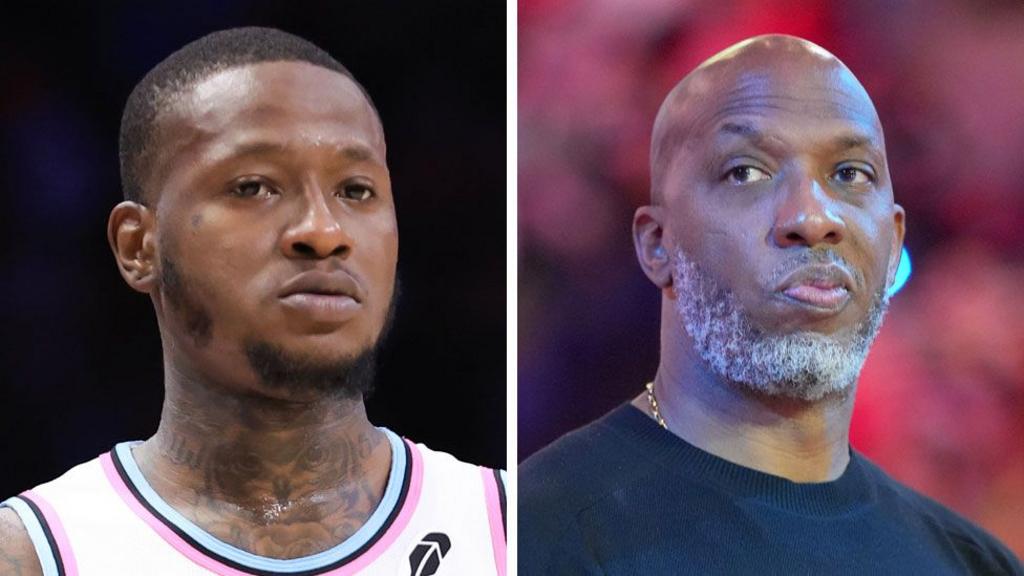
When it seems that sports are a realm of pure competition and inspiring stories, forces continue to operate in its shadows that can destroy the trust of millions of fans. The scandal involving former NBA stars was only the tip of the iceberg, behind which lies a complex and dangerous system of mafia influence on athletes. Why do even the most successful players end up caught in the webs of criminal groups, and how does the mafia change its methods to remain unnoticed?
The mafia seeks a path to athletes through trust and friendship
Organized crime has long learned to make its way into the world of sports not directly, but through a chain of intermediaries. The role of such people often comes down to bringing the athlete into the circle, where a friendly meeting or an innocent card game becomes the first step toward a dangerous addiction. Robert Stroud, a man with a criminal past, became an example of such an intermediary. His story began with ordinary card games, but quickly grew into a scheme where athletes were gradually drawn into fraudulent operations.
At first, invitations to private parties or poker games seem harmless. However, as experts note, it is from such small things that a web of obligations and manipulations grows, which ultimately binds the athlete to mafia interests.
The NBA scandal reveals the depth of fraudulent schemes
The recent case involving Chauncey Billups and Damon Jones showed how sophisticated criminal organizations can be. According to the investigation, intermediary Stroud involved former NBA players in a series of underground poker games controlled by well-known New York mafia families. These games used modern technologies: special tables with an X-ray effect, glasses with access to card information, as well as insider data.
Key facts of the scandal include:
- The participation of more than 30 people, among whom were active athlete
- The organization of games where victims were defrauded of more than $7 million
- The use of the "Face Cards" role—famous athletes who attracted new victims and participated in the deception
- The use of technical means to manipulate results
The term "Face Card" refers to an athlete whose presence is meant to inspire trust and create the illusion of fair play. However, in reality, such individuals became part of a well-coordinated team of fraudsters.
Why even sports stars become vulnerable to the mafia
The question arises: why would successful athletes earning millions risk their careers for dubious schemes? Analysts highlight several reasons. First, excitement and the pursuit of high stakes often become a continuation of the sporting spirit. Second, pressure from the environment and the desire to be "one of the group" can cloud judgment. Third, even with impressive incomes, athletes face financial difficulties due to irrational spending or unsuccessful investments.
Experts note that Chauncey Billups accumulated over $100 million during his career, and Damon Jones—over $22 million. However, even such amounts do not always guarantee financial stability if a player faces debts or becomes a victim of his own irresponsibility.
Historical scandals remind us of the recurring nature of these schemes
The history of sports knows many cases when the mafia influenced the outcomes of matches and the fates of players. In the 1960s, the careers of Connie Hawkins and Roger Brown were destroyed due to connections with criminal intermediaries. In the late 1970s, Boston College basketball players became involved in a case of result manipulation organized by mafia members. In the 2000s, NBA referee Tim Donaghy admitted to betting on his own matches, which became one of the most high-profile scandals in league history.
Key lessons from past years:
- The mafia exploits the trust and weaknesses of athletes
- Methods of deception are becoming increasingly complex and technologica
- Even high-profile exposures do not stop the spread of such schemes
The mafia adapts to new conditions and uses technology
Modern criminals are increasingly abandoning open violence in favor of sophisticated schemes. The legalization of betting in a number of countries has not reduced, but rather increased interest in underground games, where the stakes are higher and control is lower. Among modern methods, the following stand out:
- The use of electronic devices to transmit information
- Obtaining insider data from players and coaches
- Pressure through financial schemes and threats to reveal compromising material
Such cases are found not only in basketball, but also in tennis, boxing, football, as well as on international betting markets.
Financial traps spare not even millionaire athletes
Despite high earnings, athletes often find themselves in debt traps. The example of Damon Jones, who filed for bankruptcy twice, shows that large incomes do not protect against mistakes in financial management. His debts to casinos and creditors reached hundreds of thousands of dollars. A short sports career, lack of financial literacy, and the desire to live large lead to the fact that even stars become vulnerable to mafia offers.
One of the main reasons that leads athletes into debt is also gambling. Athletes are gamblers by nature and are ready to spend money easily. This makes them almost ideal players, especially with the modern level of online casino penetration. Practice shows that athletes prefer games with short gaming sessions, such as slots, crash games, or Plinko. We clarified the question of session duration with the authors of review sites from the top of the search results. It turned out that a session in a crash game lasts a maximum of a minute. We received clarification on Plinko from the authors of the site listing plinko casino game for real money. They noted that a round usually takes from 5 to 10 seconds. Such games are especially attractive to athletes. Although it can be said that people with very different interests are fond of them.
However, this attractiveness has a downside: gambling is addictive. Often, an athlete loses so much that he is ready to accept a mafia offer.
Experts debate the future of the mafia and sports integrity
The question of whether the legalization of betting can reduce the influence of the mafia remains open. Some experts believe that transparency and government control will help reduce corruption. Others point out that the mafia quickly adapts and finds new ways to exert influence. Among the key viewpoints are:
- Legalization reduces risks only with effective oversight
- Underground schemes are becoming increasingly complex and technological
- The problem lies not only in betting, but also in the vulnerability of the athletes themselves
Is it possible to completely eliminate mafia influence on sports? Or will new forms of pressure and deception only make the fight against this phenomenon more difficult?
The problem of the mafia and sports remains real and dangerous
The world of sports continues to be an arena not only of fair competition, but also of hidden intrigues, where the mafia seeks new ways to reach the hearts and wallets of players. To preserve integrity and trust, not only laws are needed, but also constant vigilance, because behind every beautiful game there may be an invisible hand ready to change the rules in its favor.