


How Emergency Response Planning Improves Stadium Injury Outcomes
Stadiums are more than entertainment venues; they are complex environments where tens of thousands gather in close quarters, creating both unforgettable experiences and significant safety challenges. From sudden medical emergencies to crowd surges, the risks are real and can escalate quickly without preparation.
Effective emergency response planning transforms these vulnerabilities into manageable scenarios by establishing clear protocols, trained personnel, and rapid intervention systems. This structured approach not only reduces the severity of injuries but also reassures attendees that their well-being is prioritized. Strong planning ensures events continue smoothly, balancing excitement with safety in every moment.
 Whisk
Whisk
What Common Risks Arise In Stadium Settings
Common risks include slips on uneven surfaces, dehydration during prolonged events, and cardiac episodes during high-energy activities. These stem from environmental factors like weather or venue layout, as well as attendee behaviors such as rushing or standing for hours.
Crowd surges near exits or concessions add another layer, potentially leading to compressions or falls. Understanding these helps highlight why structured responses matter, as they target the root causes of unsafe experiences and support safer experiences overall.
Why Effective Planning Enhances Injury Outcomes
Planning facilitates immediate assessment and care, which can prevent minor issues from becoming severe. For example, studies of large venues in Charlotte, North Carolina, highlight how proactive emergency protocols reduce patient presentation rates and improve outcomes. Research shows that mass gatherings typically see between 1 and 24 medical presentations per 10,000 attendees, with a median of 3.8 per 10,000. These findings underscore the importance of structured planning in cities like Charlotte, where stadium operators must balance crowd dynamics with medical readiness.
While many assume emergency planning focuses only on catastrophic events such as stampedes, most incidents are far less severe. Reviews of stadium safety often reveal that the majority of medical presentations involve mild conditions that can be resolved on-site. In this context, insights from a Charlotte personal injury lawyer delegated by Stewart Law Offices emphasize how duty-of-care principles and incident reviews shape venue accountability. By aligning medical preparedness with legal standards, operators not only safeguard attendees but also strengthen their compliance with recognized safety obligations.
If you or you beloved injured in Charlotte, either at Bank of America Stadium or Truist Field, you can contact Stewart Law Offices at (704) 521-5000 to speak with a lawyer to discuss your situation, or you can visit their local office, located at 2427 Tuckaseegee Road, easily accessible from the Tuckaseegee Recreation Center after 4 minutes drive.
How On-Site Medical Care Reduces Hospital Transports and Improves Outcomes
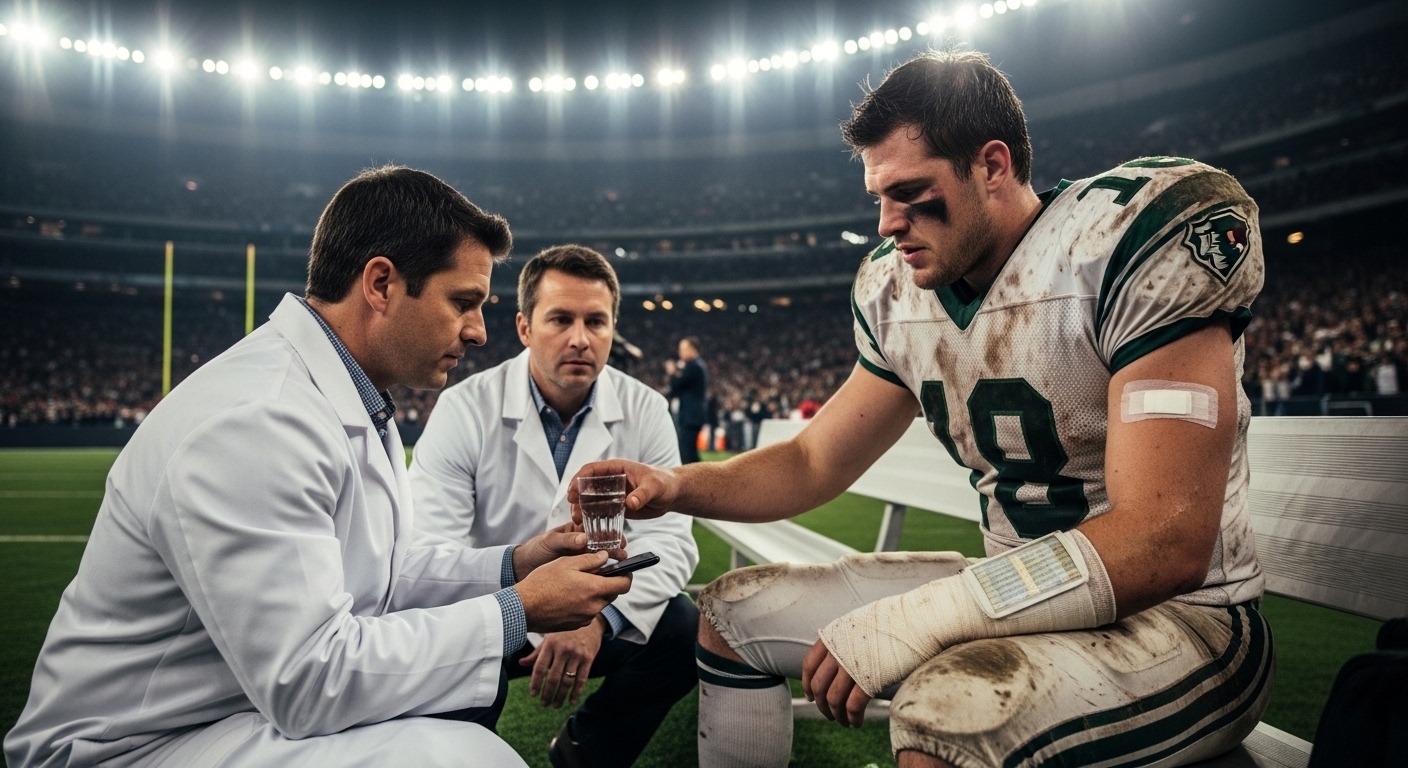
Research consistently shows that well-planned emergency medical services at stadiums and mass gatherings lead to better patient outcomes by enabling faster interventions and reducing the need for off-site care. A key study on motorsports events at a large venue found that the presence of on-site physicians dramatically reduced ambulance transports to hospitals by 89% (from 116 to just 13 transports), allowing most patients, such as those with heat exhaustion, minor injuries, or cardiac events, to be treated and released on-site. This preserved local emergency resources while improving timely care.
Through structured emergency action plans and on-site medical teams, the transport-to-hospital rate (TTHR) is kept remarkably low, at a median of 0.35 per 10,000. While environmental factors like heat and alcohol increase the volume of medical needs, proactive on-site intervention stabilizes the vast majority of patients without requiring external emergency resources. As Elizabeth VonCannon, a Charlotte board-certified personal injury lawyer, notes, “Effective emergency planning not only protects attendees but also reinforces a venue’s accountability in meeting its duty of care.”
How Teams Coordinate For Better Responses
Effective coordination relies on integrated elements that ensure seamless operations during incidents. These include dedicated units, clear channels, and ongoing preparation to align actions across groups. Consider these key facets in detail:
Medical Units
Positioned strategically, these units provide triage and initial treatment for conditions like sprains or heat issues. Their presence enables stabilization without delay, often resolving matters before external help becomes necessary.
Communication Systems
Reliable networks connect staff, responders, and authorities for rapid information sharing. This setup minimizes confusion, directing aid precisely where needed and maintaining order throughout the venue.
Training Sessions
Simulated drills expose potential weaknesses in procedures. Through repetition, personnel gain confidence in roles, leading to calmer executions that enhance overall efficiency in real scenarios.
When To Review And Update Emergency Strategies
Reviews of emergency strategies should take place immediately after each event, when experiences and observations are still fresh. This allows organizers to identify what worked well and where improvements are needed, ensuring lessons are applied quickly. Updates should also be made whenever regulations change or the venue undergoes modifications, such as new seating layouts or expanded facilities.
In addition, conducting reviews at regular intervals, ideally once a year, keeps protocols current and effective. This consistent cycle of evaluation and adjustment strengthens preparedness against evolving risks and operational challenges.
 Whisk
Whisk
What Legal Frameworks Support Preparedness
Legal standards require stadium operators to address foreseeable hazards with proactive safety measures. In North Carolina, for example, common law on premises liability highlights the duty to maintain safe conditions for invitees, reinforcing the importance of preventive action. This duty encourages venues to conduct thorough risk assessments and collaborate with emergency services to strengthen preparedness.
Federal Emergency Management Agency guidelines further emphasize integrating these responsibilities into comprehensive emergency strategies, ensuring that public venues remain adaptable, compliant, and capable of protecting attendees through structured planning and coordinated response systems.
Frequently Asked Questions
What influences patient presentation rates at events?
Factors such as weather, crowd size, and alcohol availability influence rates, which typically range from 1 to 24 per 10,000 attendees.
How does on-site care impact transports?
On-site medical care reduces ambulance transports by treating patients immediately, ensuring minor conditions are stabilized quickly, and preserving community emergency resources for more critical cases.
When do reviews improve planning?
Reviews conducted post-event and annually allow organizers to capture lessons learned, incorporate feedback, and update protocols, ensuring strategies remain effective and adaptable to evolving risks.
What common injuries occur?
Typical stadium injuries include burns, fractures, and contusions, often caused by uneven terrain, crowded conditions, or weather-related hazards such as heat exposure or slippery surfaces.