


Tracking the NBA in 2026: Apps, Data Tools, and Odds Movement Fans Trust
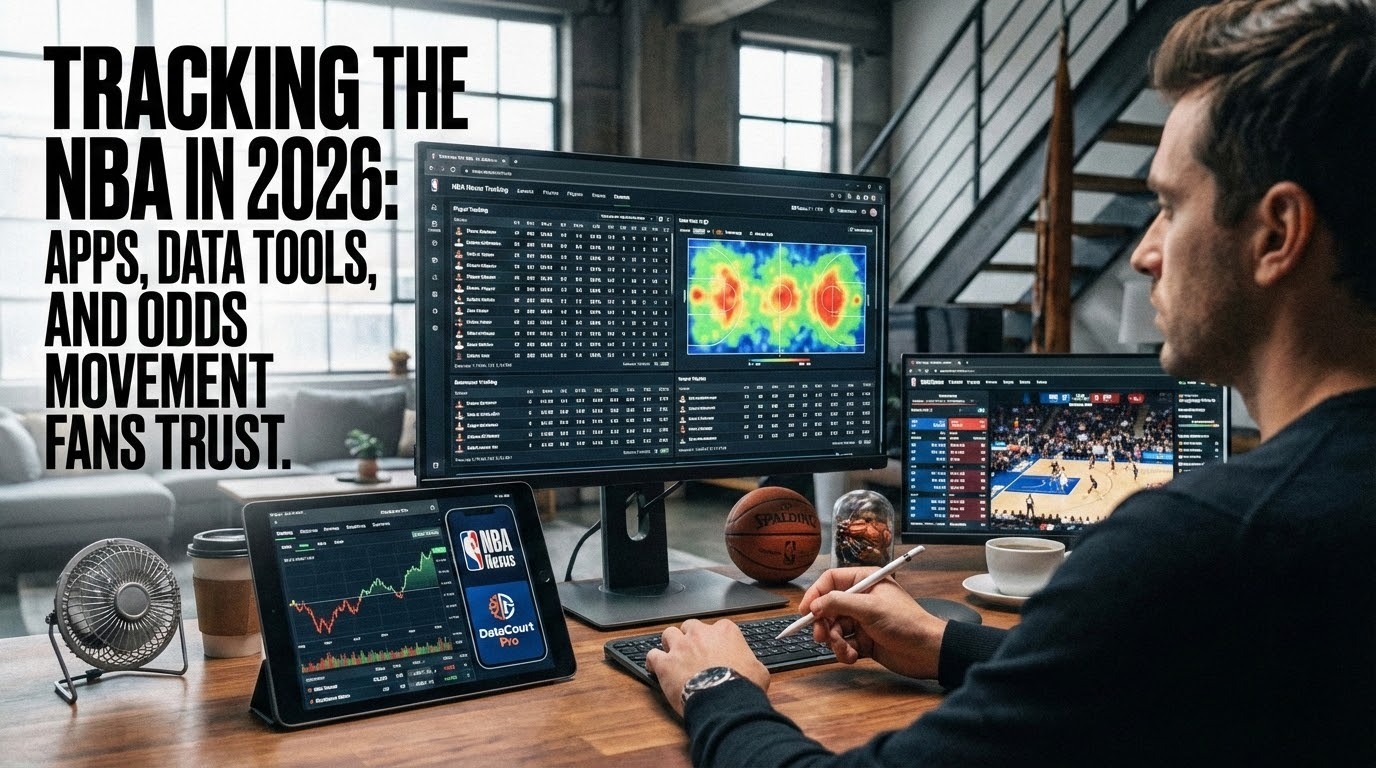
How Filipino Fans Choose Platforms to Follow NBA Games and Analyze Match Data in 2026
Choosing how to follow the NBA in 2026 is basically choosing a daily workflow. A live game might be running while work messages keep coming, the commute is doing its usual “surprise extension,” and the only thing that’s guaranteed is that somebody will ask, “What’s the line now?” Platforms aren’t just for watching scores; they’re for decision-making. Fans want speed, clarity, and enough data to back up a take before it gets roasted in the group chat.
The best platforms in 2026 don’t overwhelm users with every stat on earth. They surface the right things at the right time: injury status, lineup changes, pace indicators, and the kind of quick player analytics that explain why a team’s offense suddenly looks stuck. Mobile-first design matters because most checking happens in short bursts: between tasks, during breaks, or in the few minutes before tip-off.
What fans actually value: features that win the daily habit battle
Platforms that stick usually do a few basics extremely well:
- Fast refresh and stable performance: no one wants a spinning wheel during a late-game run.
- Clear live dashboards: score, timeouts, fouls, and shot distribution without clutter.
- Useful alerts: injury updates and starting lineups that arrive on time, not after the first quarter.
- Context, not just numbers: recent form, head-to-head style notes, and quick splits.
The hidden feature is trust. If the platform consistently posts accurate updates fast, fans stop second-guessing it and start building routines around it.
Data depth without pain: how platforms make stats feel usable
Not everyone wants to live inside spreadsheets, but plenty of fans still want sharper reads. Platforms win points when they package data into simple comparisons:
- last 10 games efficiency trends
- starter versus bench net ratings
- clutch stats that match late-game debates
- pace and shot profile indicators that explain totals movement
The best experience feels like a shortcut. It gives enough evidence to support a prediction without requiring a research session.
Live odds movement: why it’s treated like “news” now
Odds movement became a mainstream talking point because it reacts quickly to information. Fans watch it for three reasons:
- it signals new availability updates, 2) it reflects market confidence shifts, 3) it provides a clean number to argue around.
A platform that shows line history clearly helps people understand whether a change is minor noise or a real signal. It also reduces confusion when different friends are looking at different screenshots at different times.
Platform comparison habits: the “two screens” lifestyle
In 2026, platform use is rarely one-and-done. Many fans mix tools:
- one for fast alerts and lineups
- one for deeper player analytics
- one for odds and market movement
- one for community discussion and reactions
It’s not overkill; it’s just how mobile behavior works now. People want speed first, depth second, and conversation on top of both.
Odds-first services that double as a research tool
When people compare platforms, they often judge them by how quickly they can confirm key game context. On busy days, a quick check on an NBA betting site can function as both market view and matchup summary, because the spread and total react to lineup news and schedule spots. Fans look at whether the numbers are easy to find, whether live movement is clear, and whether markets update without lag. The practical benefit is speed: if a star is ruled out, the platform shows how expectations changed, not just that they changed. That’s why odds-focused services get evaluated alongside stat apps; both are used to build a smarter pre-game read.
Esports platforms shape expectations in the same mobile way
A lot of fans also follow MLBB, and platform standards carry over. A solid MPL betting site is usually judged on similar basics: fast updates, clear match pages, and information that supports quick predictions. Esports adds extra layers, like draft context and patch-driven shifts, so fans appreciate platforms that keep the interface clean while still giving real competitive signals. The same “short-burst checking” behavior applies: people open the app, grab the key info, and close it in under a minute. If it takes longer than that, it loses the daily habit battle.
Community features: comments, clips, and the credibility filter
Platforms that include community layers can be useful, but fans tend to build a credibility filter:
- verified updates over rumors
- consistent stat definitions over messy screenshots
- moderators or clear labeling when something is unconfirmed
The best communities feel like smart basketball friends, not a constant argument. They add context, highlight trends, and make the overall experience more enjoyable.
The casual entertainment layer that still depends on usability
Not every platform decision is about hardcore analysis. Sometimes it’s about having an easy, low-friction option when there’s downtime between games. A short session on an online casino fits that role because it’s quick, clean, and doesn’t demand background knowledge. Fans who enjoy it tend to value the same product qualities they value in sports tools: fast loading, clear navigation, and a smooth mobile flow. In other words, “fun” still benefits from good UX, especially when attention is split across multiple screens.
Takeaway: the best platform is the one that matches real life
In 2026, fans choose NBA platforms the way they choose daily apps in general: fast, reliable, mobile-first, and helpful in short bursts. The winning stack usually blends alerts, stats, odds movement, and community discussion without forcing users to pick only one lane.