


Basketball’s Role in Modern Leisure: From Street Courts to Global Arenas
Basketball’s Role in Shaping Leisure: From Street Courts to Global Arenas
Basketball has grown far beyond its origins as a simple indoor game. Today, it stands as one of the most influential forces in global leisure culture. From neighborhood courts to sold-out arenas, basketball shapes how people spend their free time, connect with others, and engage with entertainment. Its appeal lies not only in the sport itself but also in the culture, identity, and community that surround it.
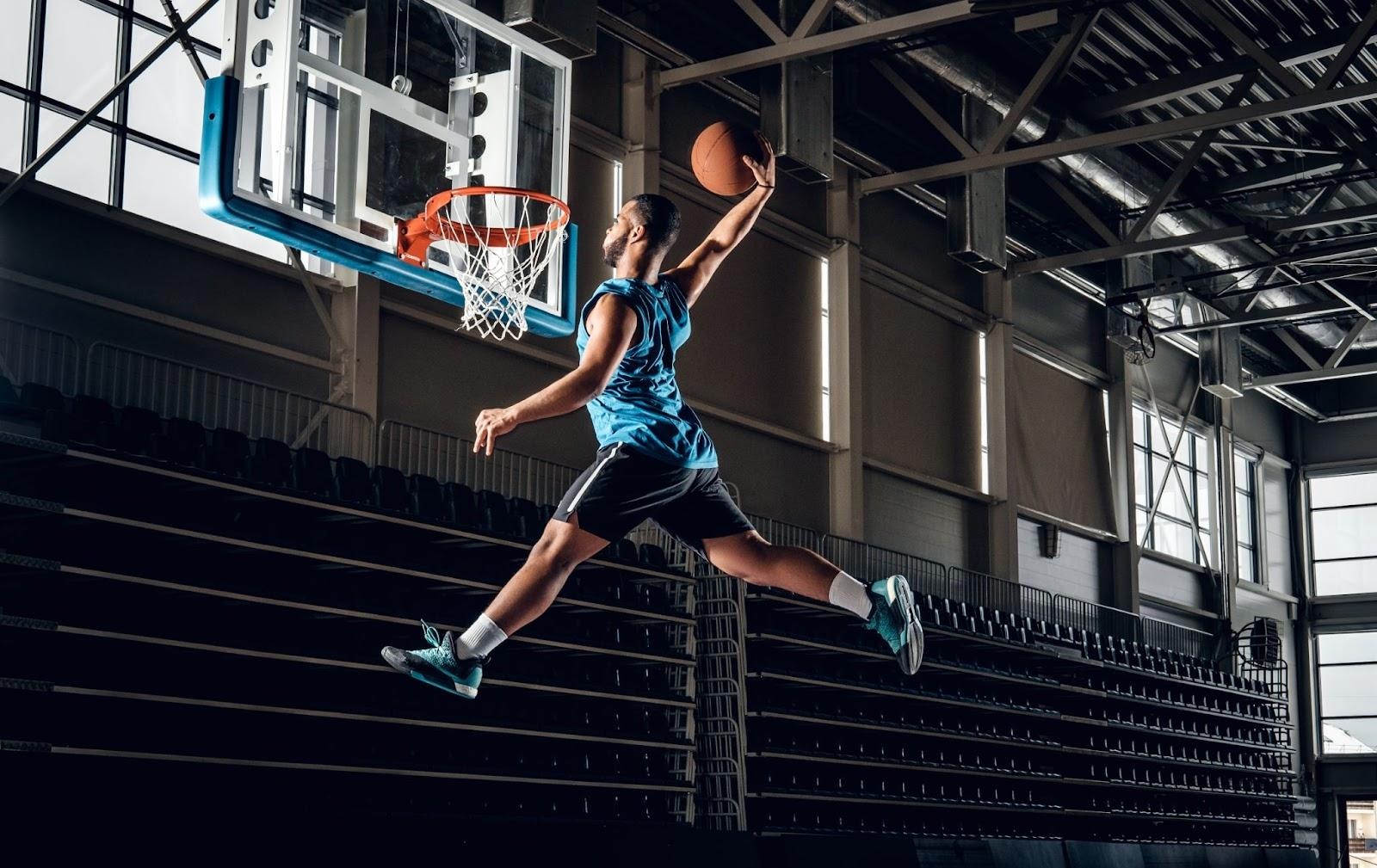
From Asphalt to Spotlight: The Evolution of the Game
Basketball’s journey from street courts to global recognition is a story of accessibility and adaptability. Unlike many sports that require specialized equipment or environments, basketball can be played almost anywhere. A hoop, a ball, and a small open space are enough. This simplicity made it a natural fit for urban areas, where street courts became gathering places for young people.
Street basketball, in particular, introduced a style of play that emphasized creativity, individuality, and flair. Moves like crossovers, no-look passes, and improvisational plays became part of the sport’s identity. Over time, this informal version of the game began to influence professional leagues, blending raw creativity with structured competition.
As basketball gained popularity, it expanded into organized leagues and international competitions. The NBA, along with other major leagues, transformed the sport into a global spectacle. What started on local courts evolved into a multi-billion-dollar industry with worldwide reach.
Basketball as a Driver of Modern Leisure
In today’s world, leisure is no longer limited to passive activities. People seek experiences that are interactive, social, and engaging. Basketball fits perfectly into this shift. It offers both participation and spectatorship, allowing individuals to either play the game or follow it as fans.
For many, playing basketball is a way to unwind, stay active, and socialize. Pickup games in local parks or gyms provide a sense of community and belonging. These informal matches often bring together people from different backgrounds, creating a shared space where skill and teamwork matter more than anything else.
At the same time, watching basketball has become a major leisure activity. Fans follow teams, analyze performances, and engage in discussions across social media platforms. The sport’s fast pace and constant action make it particularly appealing to modern audiences who value excitement and immediacy.
The Influence of Media and Technology
The rise of digital media has significantly expanded basketball’s reach. Games are now streamed across multiple platforms, highlights circulate instantly, and players build personal brands through social networks. This constant flow of content keeps fans connected to the sport even when games are not being played.
Technology has also changed how fans interact with basketball. Advanced statistics, real-time analytics, and interactive features allow viewers to dive deeper into the game. Instead of simply watching, fans can now analyze strategies, track player performance, and engage with the sport on a more informed level.
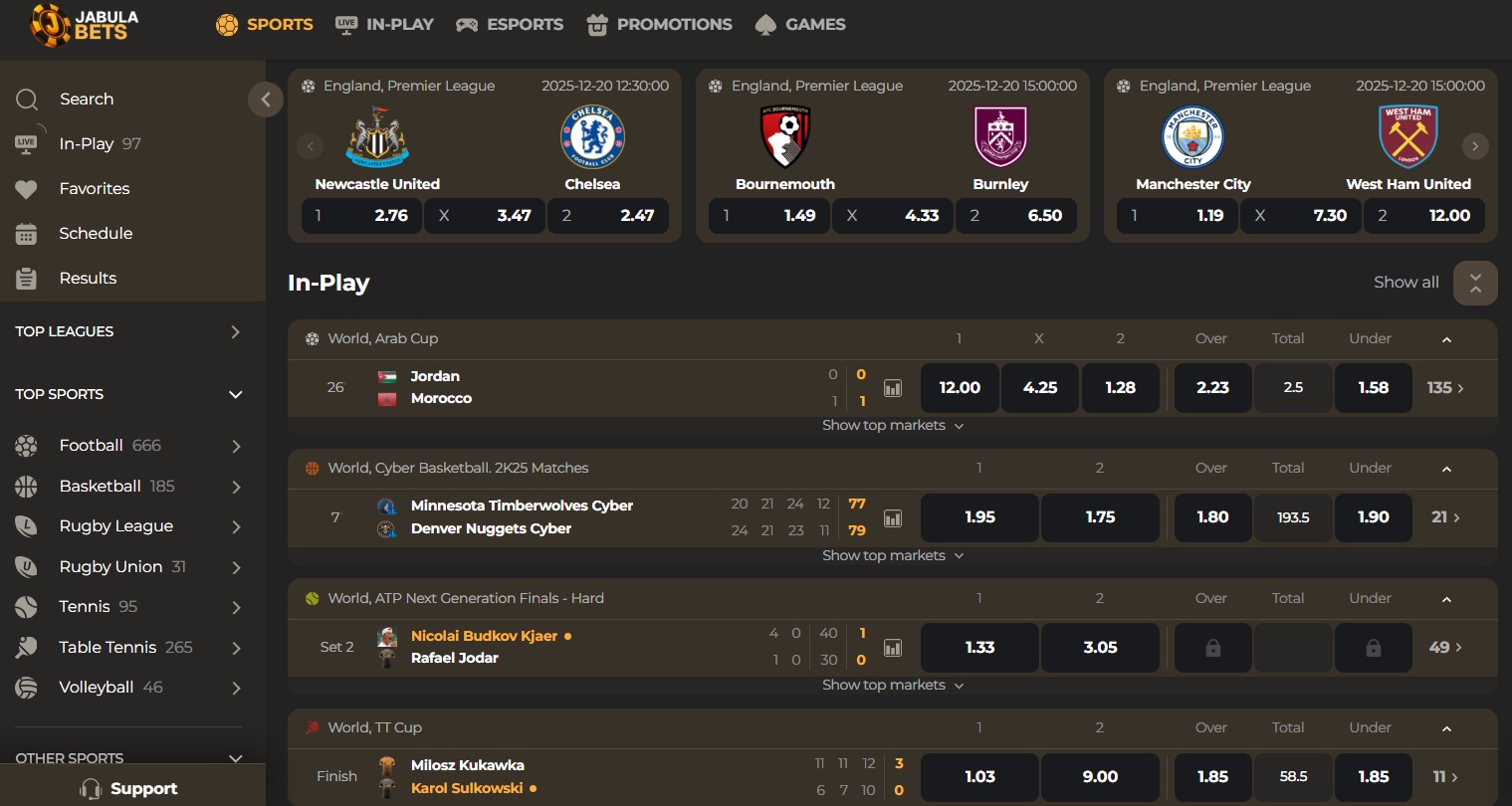
This shift has also opened the door to new forms of engagement. Fantasy leagues, interactive broadcasts, and digital platforms have made basketball more immersive. In this environment, activities like sports betting have emerged as part of the broader ecosystem, offering fans another way to engage with games by following outcomes and player performance more closely.
Globalization and Cultural Exchange
One of the most remarkable aspects of basketball is its global reach. The sport has become a universal language, connecting people across continents. Players from different countries compete at the highest levels, bringing diverse styles and perspectives to the game.
International tournaments and leagues have further strengthened this global connection. Fans from different parts of the world follow the same teams and players, creating a shared cultural experience. This global audience has also influenced how the game is played, with different regions contributing unique approaches and techniques.
Basketball’s cultural impact extends beyond the court. It influences fashion, music, and lifestyle. Sneakers, jerseys, and streetwear inspired by the sport have become part of everyday fashion. Music and basketball often intersect, with artists referencing the game and players collaborating with musicians. This blending of cultures reinforces basketball’s role as more than just a sport—it is a cultural movement.
Community and Identity
At its core, basketball is about connection. Whether it’s a group of friends playing after school or thousands of fans cheering in an arena, the sport brings people together. It creates a sense of identity and belonging that goes beyond individual performance.
Local courts often serve as community hubs. They are places where people meet, compete, and build relationships. These spaces are especially important in urban environments, where access to recreational areas can be limited. Basketball provides an outlet for expression, competition, and personal growth.
For many young people, the sport also represents opportunity. It teaches discipline, teamwork, and resilience. Even for those who do not pursue it professionally, the skills learned on the court often translate into other areas of life.
The Future of Basketball in Leisure
As technology continues to evolve, basketball’s role in leisure is likely to expand even further. Virtual reality, augmented reality, and interactive platforms may redefine how fans experience the game. Watching a match could become a more immersive experience, allowing fans to feel as if they are part of the action.
At the same time, the core elements that made basketball popular—accessibility, community, and excitement—are unlikely to change. Street courts will continue to be places where the game begins, even as global arenas showcase its highest level.
The balance between tradition and innovation is what keeps basketball relevant. It adapts to new trends while maintaining its fundamental appeal. This ability to evolve ensures that basketball will remain a central part of leisure culture for years to come.
Conclusion
Basketball has transformed from a simple game played on local courts into a global phenomenon that shapes how people spend their free time. Its influence extends beyond sport, affecting culture, technology, and social interaction. By offering both participation and engagement, basketball continues to define modern leisure in a way few activities can.
As it moves forward, the sport will likely continue to grow and adapt, connecting new generations of players and fans. Whether on a neighborhood court or in a packed arena, basketball remains a powerful force that brings people together and enriches everyday life.