


College Sports Viewing in 2026: Tech That Changes Every Possession
How Technology Is Enhancing the College Sports Viewing Experience
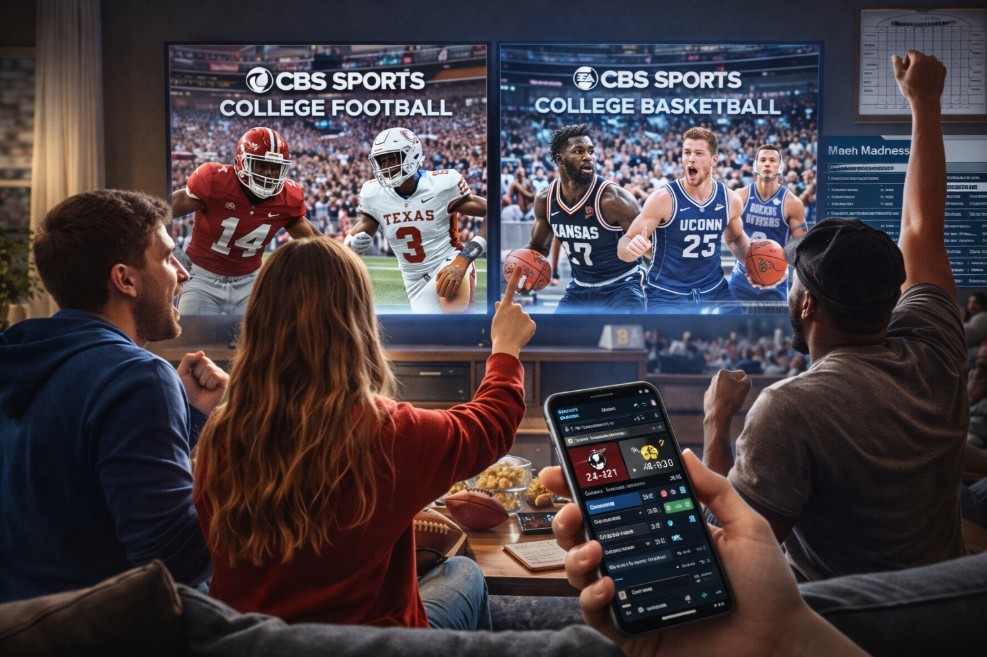
College sports used to be a single camera, a local call, and a familiar kind of noise. Now the noise has layers: a live tracker on the phone, a stream on the TV, a group chat that reacts before the replay finishes. The fan is still on the couch, but the experience has moved closer to the sideline.
This shift isn’t only about sharper pixels. It’s about context arriving on time. When the broadcast, the data feed, and the social conversation sync up, the game feels less like a distant event and more like a living system, where attention is guided by technology.
 The broadcast learned to breathe
The biggest upgrade is not the camera itself, but what surrounds it. Networks now build broadcasts like environments: alternate angles, mic’d-up moments, and on-screen graphics that don’t just decorate but explain. A tight shot on a point guard’s eyes can sit beside a possession counter; a replay can land with a shot chart instead of a shrug.
Streaming has changed pacing, too. Viewers expect a clean feed, quick switches, and highlights that arrive without scavenger hunts. The modern broadcast doesn’t wait for the next day’s recap; it tries to be the recap while the ball is still live.
Second screens made fans into analysts
The phone used to be a distraction. Now it’s the control room. College fans track possessions, fouls, tempo, and shot selection while the game is still searching for its tone. That habit has reshaped what “watching” means: it’s less passive, more participatory.
When CBS Sports College Football coverage runs on a main screen, the companion experience often lives on a second one: schedules, live play-by-play, and a stream-friendly rhythm that fits between classes, work shifts, and late-night drives. A game stops being a blur when the viewer can see the sequence, not just the score.
EA’s virtual stadium keeps the season going
College sports fandom doesn’t end at the final buzzer anymore. It extends into games that let fans rehearse the sport, not just consume it. EA Sports College Football returned as a major title with College Football 25, launching worldwide on July 19, 2024, and putting real athletes on the cover in a way that signaled how tightly the game now follows the real calendar.
That matters for viewing because interactive familiarity changes what the eye notices on Saturdays. Play concepts, spacing, and clock choices become easier to read when fans have “run” them at home. The TV game becomes a language, and the controller becomes a tutor.
Odds and data: the new commentary track
Betting content has slipped into the viewing experience the way weather slips into a long game: it’s there, shaping decisions and shaping conversation. The best use of betting tech is not hype; it’s clarity. Live odds and statistical dashboards give fans another lens on momentum, risk, and value.
Platforms that surface live statistics and coefficients have become part of the watch kit:
- CBS Sports apps and game trackers: quick play-by-play, team pages, injury notes, and a steady stream of context when the broadcast goes to commercial.
- SofaScore and Flashscore-style live services: rapid score updates, possession-level timelines, and alerts that keep pace with a multi-game Saturday.
- Sportsbooks with integrated numbers: markets and line movement that show how news changes expectations in real time. When a viewer checks odds on melbet, the screen usually pairs the live price with a quick statistical snapshot rather than burying the game in clutter. That combination helps bettors compare coefficients across markets while still tracking the possession-by-possession story. The real win is speed: fewer taps, faster context, and decisions made with the game still in view.
When this layer is used well, it makes fans less reactive and more calibrated. A sudden swing stops feeling mystical when the injury report hits and the price moves. The game stays dramatic, but the viewer understands why the drama changed.
March Madness, now with a dashboard
College basketball’s biggest month has become a tech showcase. Brackets are no longer paper tucked into a wallet; they’re live products with notifications, win probabilities, and instant highlight clips that turn the tournament into a rolling map.
CBS Sports College Basketball coverage feeds that appetite by packaging the tournament calendar and game flow into a streamable, searchable experience. In 2026, the men’s NCAA Tournament dates, with Selection Sunday on March 15, the First Four on March 17-18, and the title game on April 6, are the kind of information fans keep on a phone lock screen, not a sticky note.
The crowd moved into the comments
Technology didn’t just enhance the picture; it moved the crowd. Fans now watch together while apart, building micro-stands in group chats, live threads, and social feeds. The game becomes a conversation with timestamps.
That’s why social channels tied to betting platforms matter as viewing companions. On MelBet Facebook Somalia, posts and reels often turn matchdays into a shared timeline: quick odds snapshots, promo callouts, and comment sections where fans argue about form, injuries, and what “momentum” really means. The practical value is that it keeps attention organized; instead of hunting across apps, a viewer can follow a single thread that bundles updates, banter, and watch cues. Social isn’t replacing the broadcast, but it is replacing the old bar stool.
What to do tonight
None of this requires a studio setup. The best viewing experience is built from a few repeatable choices:
- Pick one main screen and one support screen, then silence the rest.
- Use alerts for injuries and key moments, not for every score in the country.
- Keep one “calming” metric, such as turnover rate, shot quality, or tempo, so the game doesn’t become pure emotion.
The reward is simple. College sports stay wild, but the viewer no longer feels lost. The screen shows the play, the phone shows the shape, and the night ends with that rare satisfaction: not just having watched, but having understood.