


Evolution of Basketball Content Online: Streaming, Betting & Gamification (2026)
The Evolution of Basketball Content Online: Streaming, Interactivity, and Gamification
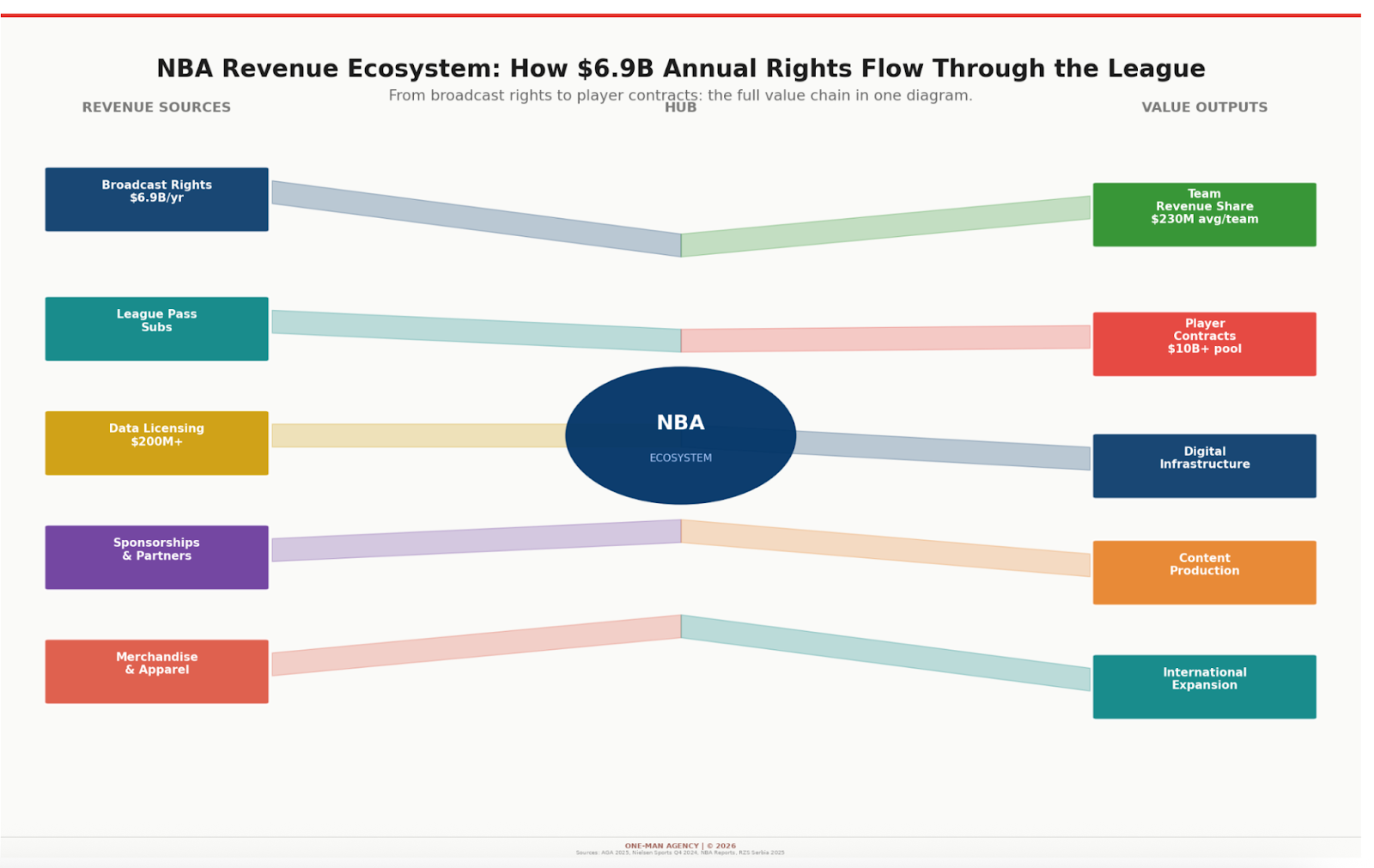
In 2005, the NBA was already on YouTube. While other major U.S. sports leagues were still figuring out the internet, the NBA was the first to let its players post on social media freely. There were no restrictions, and the players were in charge of their own posts. They even started a streaming service that you could subscribe to directly before most people had even heard of Netflix.
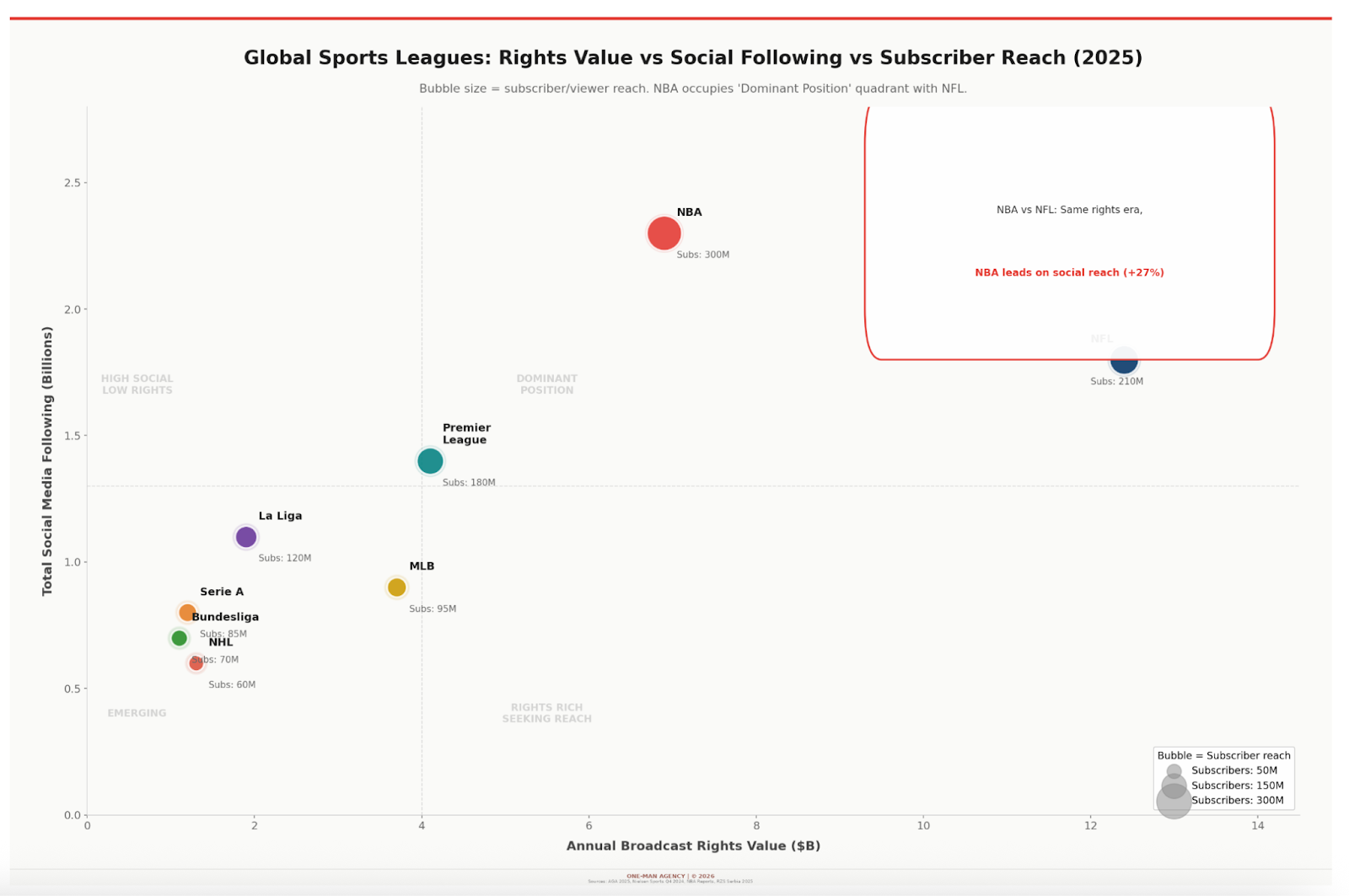
Twenty years later, the numbers are clear: 2.3 billion social media followers, a $76 billion broadcast deal, and — most importantly — 47% of paying subscribers living outside the United States.
That last figure isn't just a statistic. It shows that what seemed like small, unimportant bets on new technology led to the NBA becoming a global sport, something no other American sports league has done.
Why Basketball Moved Online Faster
When LeBron James joined Twitter in 2012, he hit one million followers in just a week. While all the other major leagues were quietly creating rules to limit what players could say online, the NBA took the opposite stance: let them post. Don't try to manage it. Move aside.
This was one of the smartest decisions in sports business history.
Players didn't just build audiences — they built brands. Steph Curry has over 40 million Instagram followers. Kevin Durant co-founded Thirty Five Ventures, a media company that produces documentaries for Netflix. LeBron's SpringHill Entertainment has its own list of movies and TV shows. These guys aren't just athletes anymore. They're content businesses with a basketball career attached.
This is very important for reach. You don't have to watch every game to have an opinion on Curry or LeBron. Someone in Manila catches a half-court shot on TikTok at 2 a.m., follows the account, starts checking scores, and six months later pays for League Pass. The NBA figured out early what most media companies resisted for years: give away the short stuff for free, and people will pay for the long stuff.
The sport itself helps. Basketball is almost perfectly suited for the internet. Your possessions change every 14 seconds. A dunk, a buzzer-beater, a behind-the-back pass — each one tells a story in under ten seconds. No context needed. You don't need to know anything before you start. It works in any language, on any platform, for any audience.
 The $76 Billion Broadcast Deal
The new rights deal starts with the 2025-26 season. $76 billion over 11 years, which is $6.9 billion each year. The previous deal was about $2.6 billion per year. That's a 165% increase.
Who has the rights now:
Turner is out after decades. Amazon is in. NBC is returning for the first time since 2002. By 2027-2028, most NBA games will be available on streaming platforms instead of cable.
Almost half of the people who pay for League Pass (47%) are from outside the U.S. The NBA is no longer just an American sports league. It's a global digital entertainment brand.
Clips, Social Media, and International Growth
The fastest-growing market for the NBA between 2019 and 2024 wasn't a country they signed a broadcast deal with. It was India, and they got there almost entirely through YouTube.
The league's channel has 21 million subscribers and gets over 2 billion views a year. Their TikTok has 22 million followers, and their individual videos often get 10 to 50 million views. According to the 2024 NBA Digital Report, India had the fastest-growing subscription market, driven almost entirely by people watching on their phones.
The process is always the same: the algorithm shows a highlight, the viewer follows a player, the player follows the scores, and eventually they pay for League Pass. You don't need any special equipment to use it. There won't be any expensive rights negotiations. Social media just did the work. And it won't cost a penny.
It's not just India. The NBA is growing fastest in Southeast Asia, Australia, and the broader Asia-Pacific region. These are markets that were largely built on free content, not TV deals. The Philippines makes around $180 million a year from licensed merchandise. That's not what a cable contract would cover. This is the result of a dunk going viral in 2019 and a teenager in Manila deciding they had a favorite team.
Most leagues still think about growing into other countries in terms of broadcast rights. The NBA discovered something new: if the content is good, short, and free, the audience will naturally grow.
Betting and Fantasy: The Live Engagement Layer
In 2018, the Supreme Court eliminated PASPA, a law that had previously restricted sports betting. After this, most major sports leagues avoided dealing with the consequences. The NBA did the opposite. They ran toward it. They were the first to openly support legal sports betting, and they didn't ease in carefully. They pushed for an integrity fee model and started signing data deals with sportsbooks almost immediately.
Today, DraftKings, FanDuel, BetMGM, and PointsBet are all official partners. The league makes at least $200 million a year from licensing data. This is important, but most people don't pay attention to it.
The NBA owns the data it uses to track its players. This same system also powers all the advanced stats you see on broadcasts. Sportsbooks need that data, and they need it fast. Live betting markets use real-time information. A player gets his third foul, and quickly, the odds change on every platform. The NBA is at the center of that pipeline and charges for access. As the sports betting market grows, the licensing revenue also grows. This is true even if the number of people watching changes. It's a way to make money that doesn't depend on ratings.
Then there's fantasy. Around 59 million people in North America play fantasy basketball. Daily fantasy sports is actually bigger in basketball than in football. This is because there are more NBA games than there are NFL games. There are more NBA games because there are more games in the regular season. There are more games in the regular season because there are more months in the year. There's no weekly cycle, and you don't have to wait. There's always something on. Someone is always setting a lineup, making a trade, or checking the app at midnight.
Betting and fantasy don't just make fans more engaged. They make fans who would otherwise drift away stick around for a random Tuesday game in January. Platforms like Wincraft online casino run on the same logic – continuous action, always something to engage with.
Gamification: The Loop That Keeps Fans In
This doesn't get a lot of attention in NBA news, but it's important.
Many of the digital entertainment options you see today, such as streaming apps, online casinos, and mobile games, were actually created to do something else at first. Sports are the reason for this. Everyone else borrowed it.
Think about how fantasy rosters work. Your results depend on real player performance, which is genuinely unpredictable. That uncertainty is the whole point. It's the same tension that makes well-designed games fun — you're engaged not because of the randomness, but because of it. In 2019, League Pass introduced a "Game of the Day" feature that made subscribers want to open the app every day. That's a direct lift from mobile gaming. The NBA was using these strategies long before most people thought about combining sports with game design. Do you want to see how you compare to your friends in fantasy standings? That's a social leaderboard. This is standard for gaming. It was first used in sports.
But the flow didn't just go one way. Fans of sports have developed routines. Technology and gaming companies studied these habits and designed products around them. Then sports leagues looked at those products and started adding them back into their own apps. The NBA app now has achievement systems and daily prediction features that are similar to those in mobile games.
This wasn't planned as a strategy. This is what happens when an industry combines competition, identity, and daily routine for a long time. People start to have certain habits, then they start using the app more and more. It's hard to tell where the sport ends and the app begins.
FAQ
Who replaced Turner/TNT?
NBC (after 23 years) and Amazon Prime Video. Deal runs from 2025-26 to 2035-36.
How does the NBA make money from betting without a sportsbook?
Sportsbooks pay fees and licenses to use data. This data lets them offer live in-play markets.
Why is almost half of League Pass international?
For years, YouTube and social media allowed artists to reach audiences in markets without traditional broadcast deals. The prices were different depending on the location, which made it possible to convert.