


What College Athletes Need to Know About Sports Betting Rules
Despite changing regulatory and legal environments around sports betting across many states, college athletes are bound to abide by the NCAA rules concerning sports betting. For the most part, this means that college athletes have very few options when it comes to sports betting.
College athletes might be curious, with regulatory change sweeping across the states like an inexorable tide and sports betting legal in 39 states, as well as territories like Washington, D.C. and Puerto Rico, what does that mean for them? The reality is that, despite the changing wider environment in the US around sports betting, college athletes still fall under the jurisdiction of the National Collegiate Athletic Association (NCAA) and must abide by its rules. These rules, in relation to sports betting activities, are quite strict. Put yourself in the shoes of a young college athlete, all your college friends are excited and talk to you about the fun they have placing bets on the matches you play in, and on other sports, but you might not understand whether you can join in or not.
Let’s take a closer look at the exact rules for college athletes regarding sports betting, and at some of the options they have available to them.
Can College Athletes Place Bets?
Does that mean that college athletes' hands are shackled and they cannot bet on sports at all? Not exactly. Taken directly from their website, the NCAA rule is that athletes cannot “bet or provide any useful information that can influence a bet in any sport the NCAA sponsors at any level.” This means that a ridiculously large number of sports are covered, as even niche sports such as synchronized swimming are sponsored at some NCAA schools. These rules are not a blanket ban, however, and they do allow college athletes the ability to bet on sports through betting platforms that can be found through websites like SBO, as long as those sports are not sponsored by the NCAA.
While college athletes must not bet on the sports that they themselves participate in, bound to let the excited screams of betting fans wash over them and perform to the best of their abilities, they do have some outlets to engage in that excitement themselves.
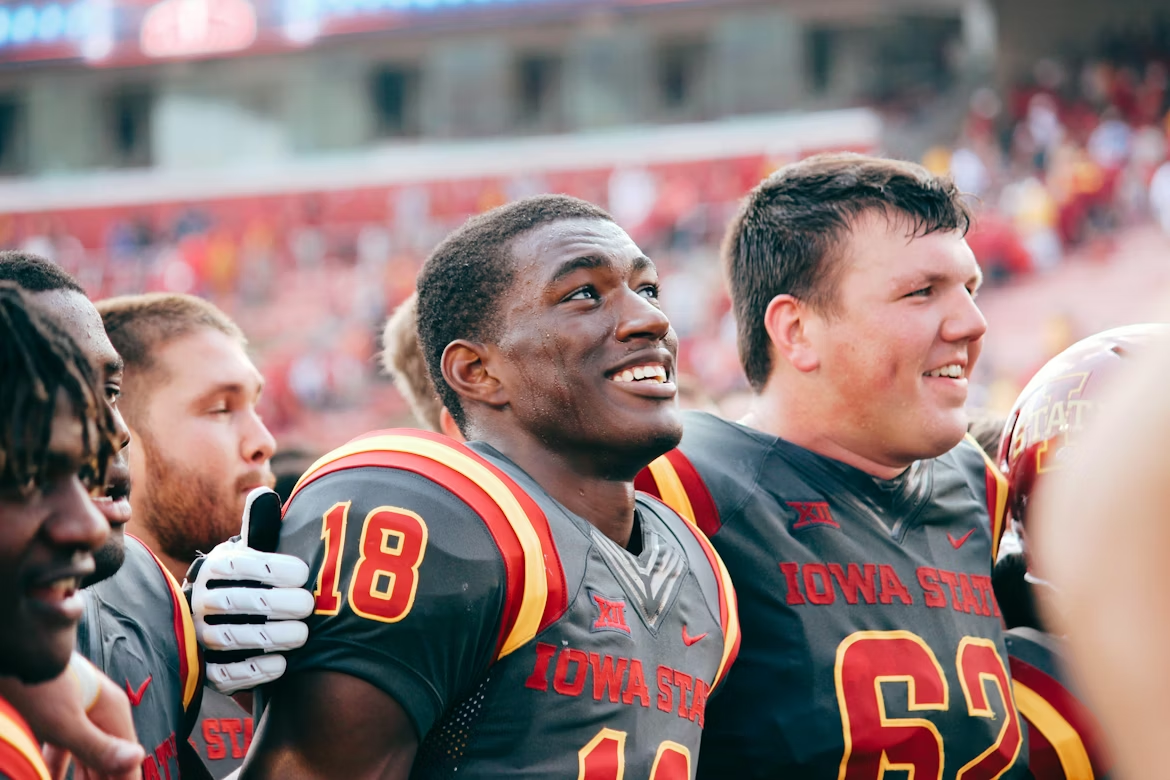
Sports Betting is Becoming Socially Normal in the U.S.
It’s important to acknowledge the wider reality of sports betting in the states before engaging specifically with the rules for college athletes, especially as that wider environment has changed so significantly in the last decade. Up until 2018, sports betting was federally banned in the United States, with very few exceptions. However, 2018 saw the Supreme Court overturn the Professional and Amateur Sports Protection Act (PASPA), and the states are now free to regulate and legalize sports betting activities on their own terms.
Since this change, the groans and cheers of sports fans in many states across the U.S. have also been accompanied by money changing hands both physically and digitally, as sports betting has taken off in a big way. In 2023, the American Gaming Association claimed that Americans had “legally wagered $220 billion nationwide,” a sum that has generated several billion in tax revenue. As of late 2025, sports betting is legal in 39 states, with Missouri being the most recent addition on December 1st 2025.
This means that many more states than not now offer sports betting online or in person, and the prevailing trend is that betting on sports is becoming seen as a socially acceptable and normal thing to do, as long as responsible gambling measures are followed. While stats for 2025 are not accessible, the sports betting industry in the US recorded $13.7 billion in revenue in 2024, with that number expected to continue growing year on year into the next decade. In this changing environment, what does the NCAA expect from its athletes?
 What Exactly Are the NCAA Rules For Athletes?
The NCAA has quite strict rules for college athletes when it comes to betting on sports. These rules cover both the act of placing bets and the exchange of any information that could benefit people engaging in betting activities, and they carry similar penalties. Any sports that the NCAA sponsors at any level are banned from being bet on by college athletes, even if they are not participants in that sport, or if that sport is not offered at their school. It is important to note that, according to information provided by the NCAA itself, it considers any “tangible item” that you put at risk on a sporting event with a chance to win something in return to be a bet. This includes anything with a monetary value attached to it, such as clothes, dinners and entrance fees.
These rules exist across all college campuses, regardless of the legality of sports betting in the state in which the campus exists. The NCAA also details a variety of different types of activities that it considers to be sports betting, many of which do not need repeating here, but predictive event contracts and fantasy sports betting are included in that list.
What Are The Penalties for Breaking These Rules?
The penalties for breaking the NCAA rules on sports betting and information sharing are the same, and are quite serious and could heavily impact an athlete's future. In a nutshell, athletes who violate the ban may, in the words of the NCAA, “be subject to permanent loss of all remaining athletic eligibility in all sports and loss of athletics scholarship.” This is obviously a very serious and steep penalty, but the NCAA considers unethical sports betting to be a very serious issue. The NCAA does state that athletes can make an appeal to the respective NCAA Division Committee on Student-Athlete Reinstatement, and that penalties will be applied on a case-by-case basis based on the guidelines each respective division follows.
Why Does The NCAA Feel So Strongly About Sports Betting?
It seems pertinent to question why exactly the NCAA feels so strongly about sports betting, especially as the prevailing climate in the US around betting activities is one that is very rapidly becoming more accepting. The NCAA states that while it acknowledges that betting has become a part of how fans consume sports, it must protect both the well-being of its athletes and the integrity of NCAA competition.
The NCAA conducts a number of surveys surrounding the prevalence and harm associated with sports betting. It has found that 31% of male and 21% of female student athletes report betting on sports like college basketball within the last year, and of that number, 5% of the male student athletes reported losses in a single day of $500 or more. In addition, a survey conducted in April of 2023 showed that 58% of the 18- to 22-year-olds surveyed had bet on sports at least once in the last year.
With such a high proportion of young adults engaging in betting activities, the peer pressure that college athletes feel to engage in the activity, despite its banned nature, is high. The lure to bet directly on sports in which athletes are engaging would be strong, despite the obvious conflict of interest and ethical concerns around the integrity of the competition. But there is another issue around betting on sports that affects college athletes.
The Tangential Fallout of Sports Betting Prevalence
With sports betting on the rise and so many individuals engaging in it, there has been a growing trend that the NCAA is very concerned with. This is the harassment of student athletes on social media by people with gambling interests. The NCAA has invested significant time and funding into attempting to combat this issue, but it claims that there is still concerning data. From data collected during March Madness, the NCAA claims:
- That one in three high-profile athletes had received abusive messages from people with betting interests.
- More than 540 abusive messages with betting-related themes were directed at student athletes.
- The women’s athletes received almost three times the threats that male athletes did.
One of the worrying statistics that the NCAA points out is that as betting markets increased, the amount of harassment also increased.
How is The NCAA Handling This Issue?
The main focus of the NCAA’s handling of sports betting-related harm is through education. Obviously, athletes face harsh penalties should they breach the rules, but the NCAA aims to curb incidents of problem gambling among all students. The NCAA launched an e-learning program in 2023, which, it claims, has since been completed by more than 50,000 student-athletes.
The NCAA hopes that by providing access to educational resources about the potential costs of sports betting, it can, if nothing else, arm people with knowledge and allow them to engage in gambling activities in a more responsible manner.
Recent Changes Almost Allow Professional Sports Betting for College Athletes
Just a couple of short months ago, on the 22nd of October, the NCAA approved a rule change that would have allowed athletes to bet on professional sports. The rule would not have allowed any changes to betting and information sharing on college sports, seeking to preserve the integrity of those competitions. The chair of the NCAA Division II Management Council, Roberta Page, stated that the change was a result of the “realities of today’s sports environment.”
The change was due to come into effect on the 1st of November, but the required 75% of NCAA cabinet members did not vote in favor of the rule change, so the opportunity to repeal the rule was triggered. According to CNN, on Friday, November 21st, just half an hour before the deadline for schools that wanted to reverse the rule change, the necessary two-thirds majority of opposition was reached, and the rule change was reversed.
How Can College Athletes Bet Legally and Responsibly?
With so much focus on the integrity of college sports competitions and on the potential dangers of betting, is there any way for college athletes to engage in something that is quickly becoming a natural part of sports watching for many people? To put it bluntly, yes. The NCAA’s rules only forbid betting on sports that they sponsor at some level, and there are a few examples of popular sports that they do not. While the following list is not exhaustive, college athletes can safely bet on the following:
- NASCAR
- UFC
- Horseracing
- Cricket
Any other sports that are not NCAA-sponsored are also perfectly allowable for college athletes to bet on, according to the NCAA rules. College athletes should still make sure that they follow the regulations and laws of their state, as well as engage in betting in a responsible manner.
College Athletes Must Abide by NCAA Rules, But Can Still Have Fun
As the NCAA continues to grapple with the changing regulatory landscapes and increasing prevalence of betting among sports fans in the United States, it is seeking to ensure that the integrity of NCAA competition is maintained and that its athletes are well protected and safe from potential gambling harms. This means many sports are not allowable for college athletes to bet on.
But, by following the NCAA rules and betting on sports that are not sponsored at any level by the NCAA, college athletes can place bets. When they do so, they should follow NCAA guidelines about responsible gambling as well, and can seek help if they feel they are developing an issue.